






Vient de sortir 15 avril 2024

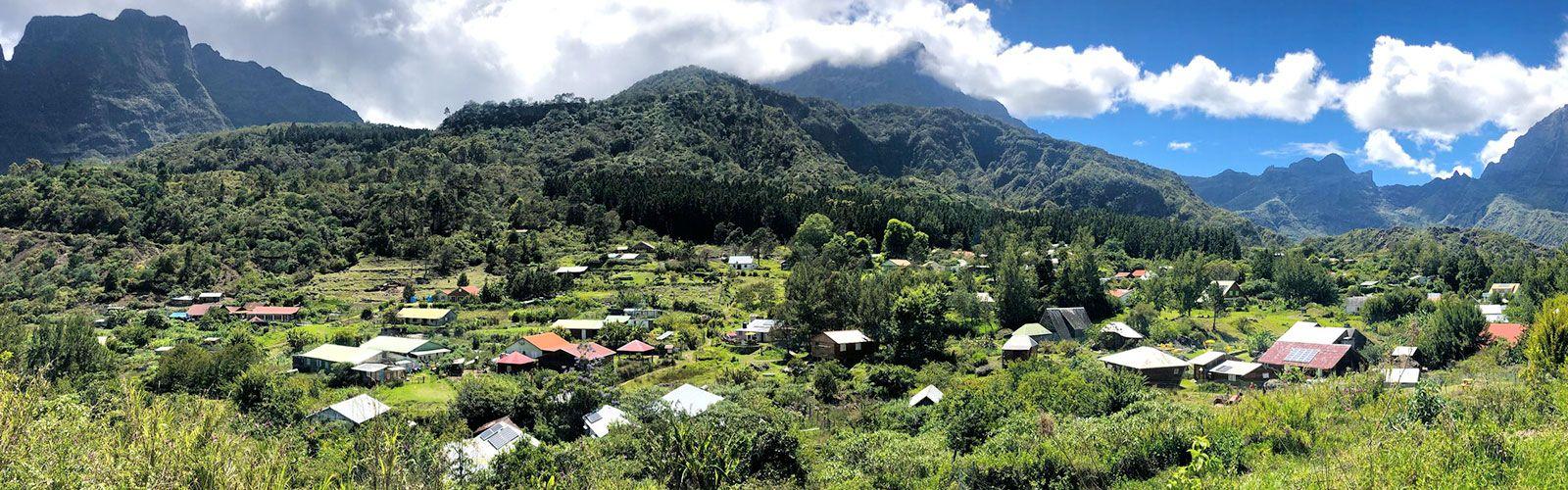

Maintenir le niveau et la diversité remarquable de la production agricole réunionnaise, dans une optique de bioéconomie circulaire. Contribuer à la sécurité alimentaire et nutritionnelle des Réunionnais et des Mahorais, mais aussi des populations des îles du sud-ouest de l’océan Indien pour leur santé en préservant une biodiversité exceptionnelle. C’est là tout l’enjeu des recherches menées par le Cirad dont les projets à La Réunion sont financés par l’Union européenne (Feader et Feder), l’État, la Région et le département de La Réunion.
Vient de sortir 15 avril 2024
Les projets de recherche du Cirad dans l'océan Indien sont soutenus par les fonds structurels (Feder, Feader) de l’Union européenne, de la Région Réunion et de l’Etat français et un partenariat historique avec les acteurs du monde agricole. Sont présentés ici une sélection de projets sur la cinquantaine actuellement menés dans l'océan Indien.
Les projets du Cirad à La Réunion sont financés par l’Union européenne (Feder, Feader), l’État, la Région et le département de La Réunion.

Le Cirad est membre des Réseaux d’innovation et de transfert agricole à La Réunion et à Mayotte.

Le Cirad est membre du pôle universitaire d'innovation PUI Valiotech (Valorisation de l’innovation dans l’océan Indien pour la deeptech)

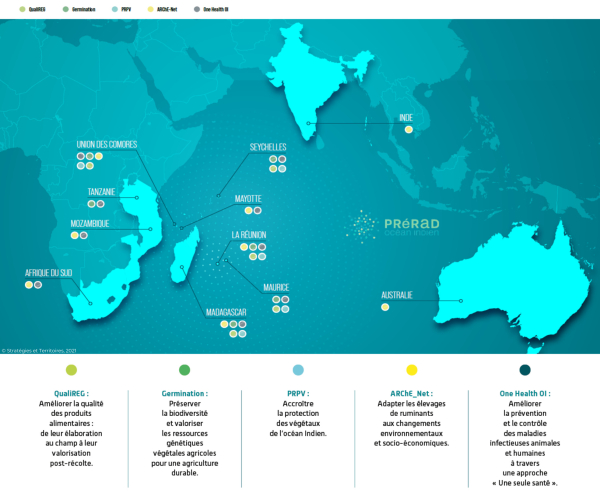
Carte réseaux © Stratégies et Territoires, 2021
Depuis plus de 25 ans, le Cirad participe au rayonnement de La Réunion en océan Indien par un partenariat singulier, notamment avec les pays membres de la Commission de l’océan Indien (COI). Tous ces partenaires travaillent de concert en réseaux, qui se sont structurés au fil du temps, des connaissances et de nombreux projets partagés, autour de cinq thématiques stratégiques que sont l’adaptation des systèmes d’élevage au changement climatique (réseau ARChE_Net) ; l’épidémiosurveillance, la biosécurité et le biocontrôle et la gestion de crises en santés végétale et animale avec une approche « une seule santé » (réseaux PRPV & One Health) ; la conservation et la valorisation de la biodiversité cultivée dans l’océan Indien (réseau Germination) ; les systèmes alimentaires sains et durables (réseau Qualireg).
En 2014, les cinq pays membres de la COI se sont dotés d’un outil faitier, unique et singulier au service de la coopération scientifique régionale, la plateforme régionale en recherche agronomique pour le développement dans l’océan Indien (la PRéRAD-OI), animée depuis par le Cirad et qui fédère ces réseaux thématiques.
Objectifs :
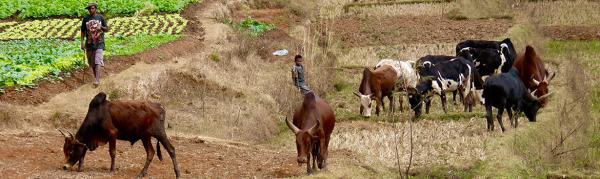
La Plateforme régionale en recherche agronomique pour le développement dans l’océan Indien (PRéRAD-OI), coordonnée et animée par le Cirad depuis sa création en 2014, est un outil d’intelligence collective au service de la coopération régionale. Elle agit au quotidien pour relever les défis alimentaires, sanitaires et environnementaux auxquels fait face la région. Elle s’appuie notamment sur cinq réseaux régionaux et thématiques, porteurs de projets de recherche et de développement.
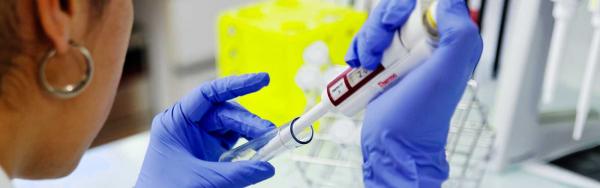
Comment améliorer le contrôle des maladies infectieuses animales et humaines ?
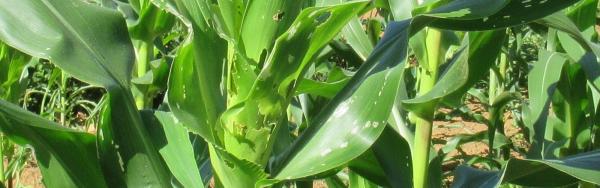
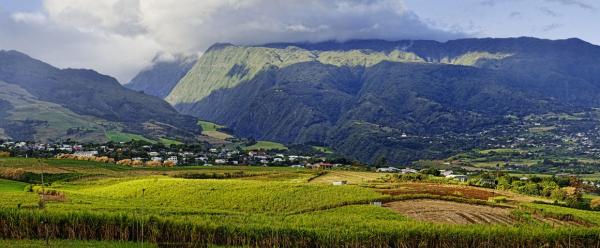
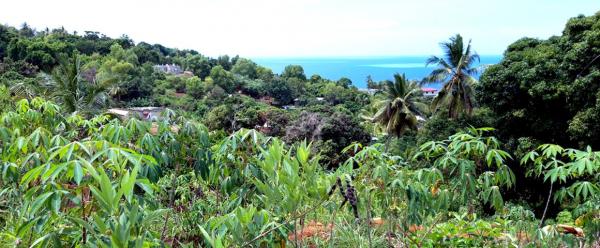
Les pays de l’océan Indien (OI) sont majoritairement caractérisés par des environnements insulaires. Ils sont confrontés au besoin impératif d’alimenter une population en forte augmentation, en développant une agriculture locale et compétitive, tout en préservant leurs environnements riches mais fragiles et menacés par les changements globaux. Dans la plupart de ces pays, l’agriculture reste une composante majeure de l’économie et est pourvoyeuse d’emplois.
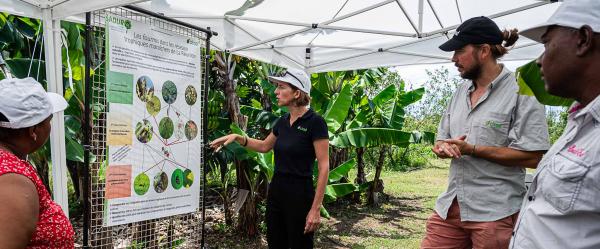
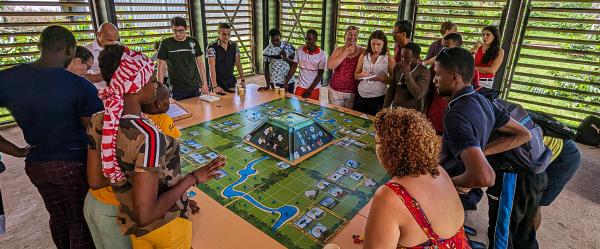
Dans un souci de partage des connaissances et d'ouverture à la société, les chercheurs du Cirad donnent des enseignements et des formations, encadrent des stagiaires et des doctorants. Ils participent également à des manifestations agricoles ou grand public comme la Fête de la Science.
La Direction régionale du Cirad à La Réunion-Mayotte édite par ailleurs un journal d'information : Agronews.

Agronews informe des avancées de la recherche, de leur valorisation dans le monde agricole et des actions de coopération régionale menées en partenariat par le Cirad dans l'océan Indien. Chaque numéro compile des articles et photographies légendées et un dossier thématique illustré.
La revue en ligne « Outre-mer grandeur Nature » dédiée à la Biodiversité des territoires ultramarins consacre aussi chaque mois une page sur les travaux du Cirad en Outre-mer.
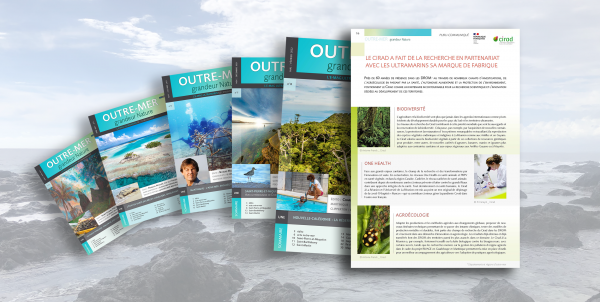
L'e-mag ultramarin de l'environnement.
Pour tout savoir sur notre activité dans la région.

Direction régionale Réunion-Mayotte et pays de la COI (hors Madagascar)
Eric Jeuffrault, directeur régional
Station de la Bretagne
40, Chemin de Grand Canal
CS 12014
97743 Saint-Denis Cedex 9
La Réunion
Tél. standard : +262 2 62 72 78 00
Tél. direction : +262 2 62 72 78 40
Fax : +262 2 62 72 78 01
Vous souhaitez savoir comment accéder à un site du Cirad à La Réunion ou à Mayotte ?
Cliquez ici